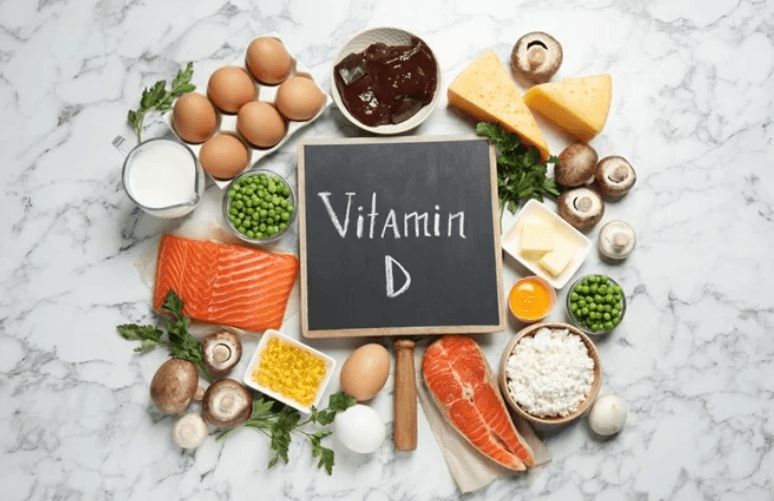
Good health is built through everyday choices, and nutrition plays one of the biggest roles in maintaining overall wellness. While balanced meals remain the foundation of a healthy lifestyle, many people are becoming more aware of the importance of vitamins and minerals in supporting normal body functions. These essential nutrients contribute to energy production, immune function, bone health, and many other processes that keep the body performing at its best. Understanding how they work can help individuals make informed dietary decisions and develop healthier long-term habits.
Everyday Nutrition Builds A Strong Foundation
The human body constantly performs thousands of biological functions, from repairing tissues to producing energy and supporting brain activity. Every one of these processes relies on nutrients obtained through food.
A balanced diet rich in fruits, vegetables, whole grains, lean proteins, dairy products, legumes, nuts, and healthy fats provides many of the nutrients required for daily wellbeing. When eating habits become inconsistent due to busy schedules or dietary restrictions, nutritional gaps may develop over time.
Maintaining consistent eating habits helps ensure the body receives the nutrients needed for optimal performance throughout every stage of life.
Understanding The Role of Micronutrients
Unlike carbohydrates, proteins, and fats, micronutrients are needed in relatively small amounts. Despite their tiny quantities, they perform enormous responsibilities throughout the body.
These nutrients help regulate enzyme activity, support hormone production, assist cell growth, protect against oxidative stress, and contribute to healthy organ function. Without adequate intake, many normal physiological processes become less efficient.
Each nutrient serves unique purposes, making variety in the diet more valuable than relying heavily on a few foods.
Different Nutrients Support Different Systems
Every vitamin and mineral contributes to specific aspects of health. Vitamin A supports normal vision and immune function. Vitamin C assists collagen formation and antioxidant protection. Vitamin D contributes to calcium absorption and bone maintenance. Vitamin E protects cells from oxidative stress, while vitamin K supports normal blood clotting.
Minerals also play equally important roles. Calcium strengthens bones and teeth. Magnesium supports muscle and nerve function. Iron contributes to oxygen transport throughout the body. Zinc assists immune health and wound healing, while potassium helps regulate fluid balance and muscle contractions. Together, these nutrients work as a coordinated network rather than functioning independently.
Food Sources Offer Natural Variety
Obtaining nutrients through diverse food choices provides additional health benefits beyond individual vitamins or minerals.
Leafy green vegetables contain folate, vitamin K, and magnesium. Citrus fruits provide vitamin C. Dairy products offer calcium and phosphorus. Fish contributes vitamin D and iodine, while legumes supply iron and zinc.
Eating colorful meals naturally increases nutritional diversity because different colors often indicate different beneficial plant compounds. Seasonal fruits and vegetables also encourage greater variety throughout the year.
Lifestyle Influences Nutritional Needs
Nutritional requirements vary depending on age, activity level, health status, and lifestyle. Children require nutrients for growth and development. Adults need consistent nutrition to support daily activities and long-term wellness. Older adults may require additional attention to bone health and nutrient absorption.
Individuals with demanding work schedules, athletes, vegetarians, pregnant women, or people following restrictive diets may also have different nutritional considerations. Understanding these differences allows dietary choices to better align with individual needs.
See also: The Clomiphene Price Trap, and How to Spot It Before It Spots You
Smart Supplement Choices Require Knowledge
Although food should remain the primary source of nutrition, supplements may help support dietary intake when recommended by healthcare professionals.
Not every product suits every individual. Reading ingredient labels, understanding serving sizes, and selecting products from reputable manufacturers contribute to safer purchasing decisions.
Consumers should avoid believing unrealistic marketing claims promising immediate or dramatic health improvements. Instead, supplements work best when combined with balanced nutrition and healthy daily habits.
Hydration Complements Nutrient Function
Nutrition and hydration work together to support overall health. Water assists nutrient transportation throughout the body, regulates temperature, supports digestion, and helps remove waste products. Even mild dehydration may affect physical performance and concentration.
Drinking sufficient water throughout the day allows vitamins and minerals consumed through meals to participate effectively in numerous biological processes. Hydration remains one of the simplest yet most overlooked aspects of maintaining good health.
Consistency Delivers Better Long Term Results
Healthy eating is not about occasional perfect meals but about regular balanced choices over time. Small improvements such as adding vegetables to meals, replacing sugary snacks with fruit, choosing whole grains, and including protein with every meal gradually strengthen nutritional quality.
These consistent habits often create greater long-term benefits than temporary restrictive diets. Viewing nutrition as a lifelong commitment encourages sustainable progress instead of short-term results.
Recognising Signs of Nutritional Balance
A well-nourished body often reflects overall balance rather than perfection. Steady energy levels, healthy skin, strong hair, normal immune function, and consistent physical performance frequently indicate that nutritional needs are being met.
However, these outcomes depend on many lifestyle factors including sleep quality, exercise, hydration, stress management, and genetics. Nutrition works alongside these habits rather than replacing them.
Building Better Habits Through Education
Learning about nutrition empowers individuals to make informed decisions every day. Understanding food labels, planning balanced meals, cooking at home more frequently, and staying informed about dietary recommendations create confidence in managing personal health.
Education also helps people distinguish scientific evidence from temporary nutrition trends that may lack reliable support. Making informed choices gradually becomes easier as nutritional knowledge expands.
Conclusion
Health is rarely transformed through one meal or one product. Instead, it develops through consistent daily choices that support the body’s natural functions over time. Prioritising nutritious foods, staying active, drinking enough water, and maintaining healthy routines all contribute to lasting wellbeing.
As awareness of vitamins and minerals continues to grow, more individuals are recognising the importance of meeting their nutritional needs through balanced lifestyles. When additional nutritional support is appropriate, choosing quality products from trusted sources becomes an important part of maintaining confidence in those decisions. Building healthier habits today creates benefits that extend well into the future. For those looking to explore carefully selected wellness products that complement a balanced lifestyle, Getkuwa offers a convenient destination to support long-term health and nutrition goals.